

Qatar has declared Iranian military and security attaches, along with their staff, persona non grata and ordered them to leave the country within 24 hours following a missile strike on its critical energy infrastructure.
In a statement, Qatar’s Ministry of Foreign Affairs said the decision was taken in response to repeated Iranian attacks, marking a sharp escalation in diplomatic tensions between Doha and Iran.
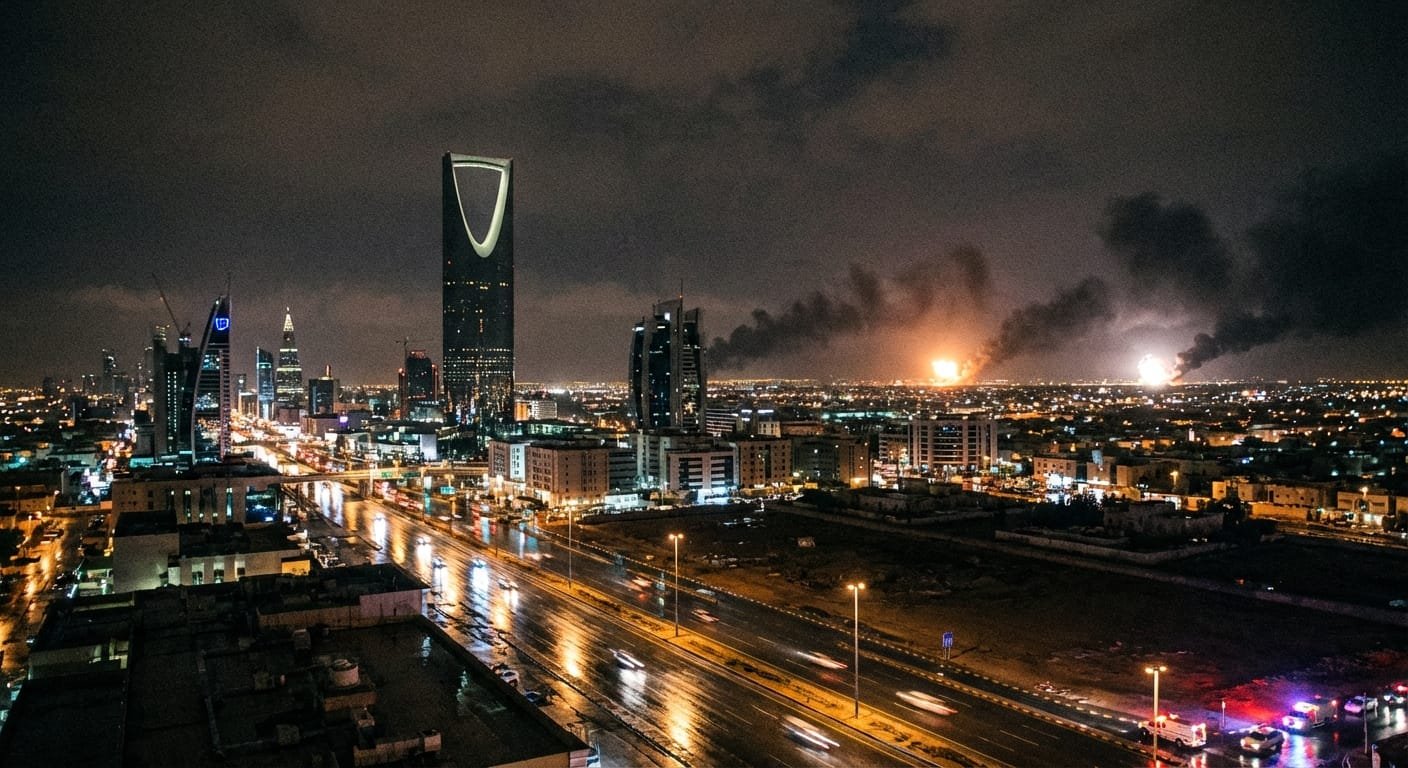
The move came after missiles struck Ras Laffan Industrial City, the heart of Qatar’s liquefied natural gas industry. QatarEnergy confirmed that the attack caused widespread fires and “significant damage” to the facility.
The site, located in the northeast of the country, is the largest LNG production hub in the world, with Qatar accounting for roughly 20 percent of global LNG supply.
In a strongly worded statement issued on March 18, 2026, Qatar condemned the strike as “a blatant Iranian attack” and “a dangerous escalation, a flagrant violation of state sovereignty, and a direct threat to its national security and regional stability.”
The ministry added that despite Qatar’s efforts to distance itself from the conflict, “the Iranian side continues to target it and neighboring countries in an irresponsible approach that undermines regional security and threatens international peace.”
It stressed that the attack violated international law, citing UN Security Council obligations, and warned that Qatar “reserves its right to respond in accordance with Article 51 of the United Nations Charter,” affirming it “will not hesitate to take all necessary measures to protect its sovereignty, security, and the safety of its citizens and residents.”
The escalation follows Iranian threats to target energy installations across the Gulf Cooperation Council region after strikes on its own gas infrastructure earlier in the day.
Iranian President Massoud Pezeshkian condemned attacks on Iran’s energy facilities, particularly the South Pars gas field, warning of global consequences.
“Such aggressive actions will not achieve anything for the American Zionist enemy and their supporters. Rather, they will complicate the situation and could lead to uncontrollable consequences that will affect the entire world,” he said.
Iran’s Foreign Minister Abbas Araghchi also lashed out at recent assassinations of senior Iranian figures, describing them as evidence of a “calculated moral collapse.”
“Imagine an Iranian president coolly presenting a ‘kill list’ to a foreign ambassador… ‘We will eliminate them, one by one,’” he wrote. “Israel’s ongoing assassination spree is ‘colder’ than hypocrisy… dragging its US partner into an ever deeper moral and political abyss.”
Meanwhile, Iran’s state-linked National Iranian Gas Company sought to downplay the impact of the attack on South Pars, saying only “part of the refining units” had been damaged.
“Gas production is currently underway with full safety precautions in mind, and the country’s gas network is also in a stable state,” the company said, adding that fires at the facility had been extinguished and cooling operations were ongoing.
The Islamic Revolutionary Guard Corps, or Islamic Revolutionary Guard Corps (IRGC), confirmed it had launched a new wave of attacks targeting energy facilities linked to what it called the “American enemy” in the region.
“We have effectively entered a new phase of the battle… attacking energy facilities linked to the American enemy,” the IRGC said in a statement, warning that “if a similar aggression is repeated, our crushing attacks… will not stop until they are completely erased.”
The IRGC insisted Iran had not initially intended to expand the conflict to energy infrastructure or harm the economies of regional states, but said it was compelled to respond after attacks on its own facilities.
The unfolding crisis marks a significant escalation in the region, with energy infrastructure now a central target, raising fears of disruption to global energy markets and a broader conflict drawing in multiple states.
